
Bridging the Gap Between Design and Reality: A Deep Dive into Prototype CNC Machining Services
The journey from a brilliant idea sketched on a notepad to a fully realized product is rarely linear. It’s a process riddled with iterations, refinements, and – crucially – prototyping. In today’s fast-paced manufacturing landscape, speed and precision are paramount. That’s where prototype CNC machining services come into play, offering a powerful bridge between digital design and physical reality.
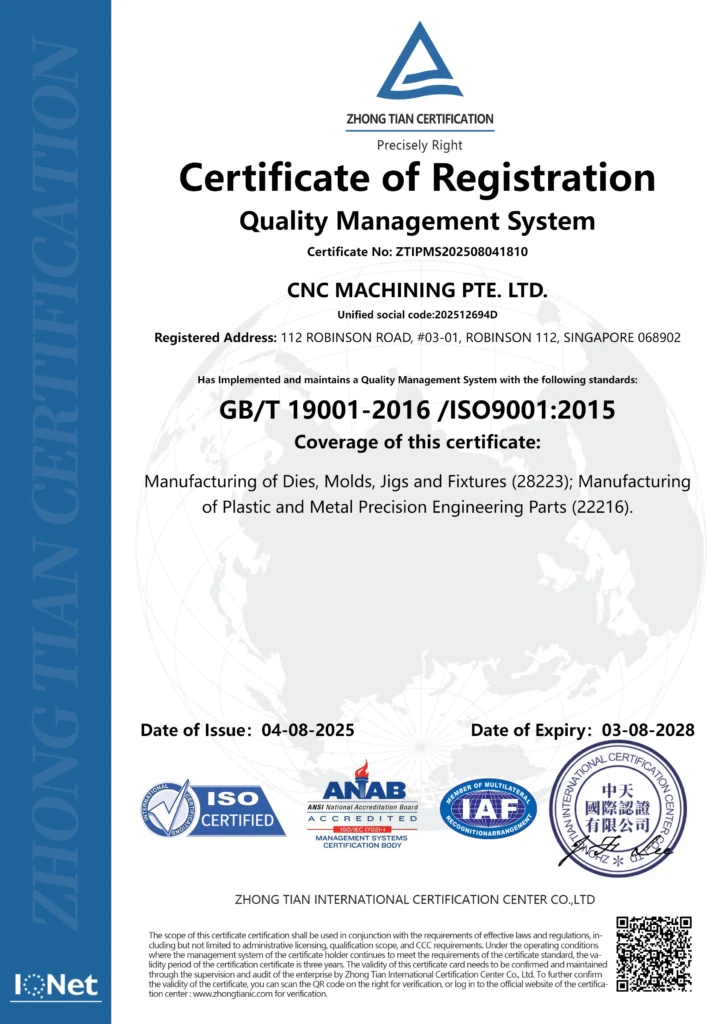
This article will explore the world of prototype CNC machining, detailing its benefits, the process involved, material options, key considerations when choosing a provider, and how it’s evolving with technological advancements. We’ll also highlight how a specialist like CNC MACHINING PTE. LTD in Singapore can streamline your prototyping process.
What is Prototype CNC Machining?
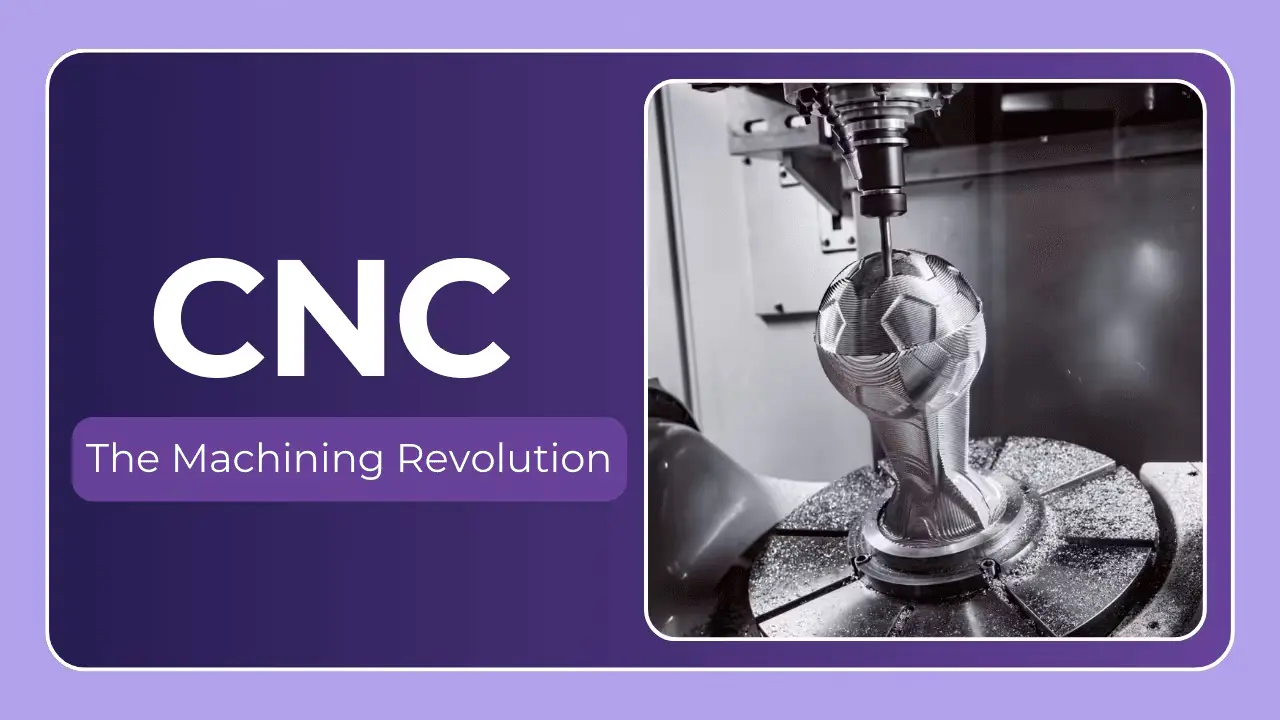
CNC (Computer Numerical Control) machining is a subtractive manufacturing process. Instead of building a part up (like 3D printing – additive manufacturing), CNC machining removes material from a solid block to create the desired shape. Prototype CNC machining specifically focuses on producing a limited number of parts – typically one to a few hundred – for testing, validation, and refinement of a design.
Unlike mass production, the emphasis here is on flexibility and rapid turnaround. It allows engineers and designers to quickly assess form, fit, and function before committing to expensive tooling and large-scale manufacturing runs.
Why Choose CNC Machining for Prototyping? The Advantages
While several prototyping methods exist (3D printing, injection molding, etc.), CNC machining offers a unique set of advantages:
- Material Versatility: CNC machining can work with a vast range of materials, including metals (aluminum, stainless steel, titanium, brass, copper), plastics (ABS, polycarbonate, Delrin, nylon), and even wood. This allows you to prototype with materials that closely mimic your intended final product.
- Superior Accuracy & Precision: CNC machines are renowned for their tight tolerances and ability to produce highly accurate parts. This is critical for functional prototypes where precise dimensions are essential. Typical tolerances achievable can range from +/- 0.005” to +/- 0.0001” depending on the machine and material.
- Excellent Surface Finish: CNC machining can achieve a smooth, high-quality surface finish, often eliminating the need for extensive post-processing.
- Mechanical Properties: Parts produced via CNC machining exhibit the same mechanical properties as the raw material. This is a significant advantage over some 3D printing processes, where material properties can differ.
- Scalability: While focused on prototyping, the process is inherently scalable. The data generated during prototyping can be directly used for production machining, minimizing re-engineering efforts.
- Complex Geometries: Modern CNC machines, particularly five-axis machines (like those offered by CNC MACHINING PTE. LTD), can handle incredibly complex geometries that would be difficult or impossible to create with other methods.
The Prototype CNC Machining Process: A Step-by-Step Overview
- Design & CAD Modeling: The process begins with a detailed 3D CAD (Computer-Aided Design) model of the part. Common file formats include STEP, IGES, and SolidWorks.
- CAM Programming: The CAD model is then imported into CAM (Computer-Aided Manufacturing) software. The CAM software translates the 3D design into machine-readable code (G-code) that instructs the CNC machine on how to cut the part. This includes defining toolpaths, cutting speeds, and feed rates.
- Material Selection: Choosing the right material is crucial. Factors to consider include strength, weight, temperature resistance, and cost.
- Setup & Fixturing: The raw material is securely clamped onto the CNC machine’s worktable using appropriate fixtures. Proper fixturing is essential for maintaining accuracy and preventing vibration.
- Machining: The CNC machine executes the G-code, precisely removing material using rotating cutting tools. Multiple tools may be used to achieve the desired shape and features.
- Post-Processing (Optional): Depending on the requirements, post-processing steps may include deburring, polishing, anodizing, painting, or other finishing treatments.
- Quality Control: The finished part is inspected to ensure it meets the specified dimensions and tolerances. This often involves using Coordinate Measuring Machines (CMMs) and other precision measurement tools.
Material Options for Prototype CNC Machining
| Material Category | Common Materials | Typical Applications | Pros | Cons |
|---|---|---|---|---|
| Aluminum | 6061-T6, 7075-T6 | Brackets, housings, fixtures | Lightweight, strong, corrosion-resistant, machinable | Lower strength than steel |
| Stainless Steel | 304, 316 | Medical devices, food processing equipment | Corrosion-resistant, durable, hygienic | More difficult to machine than aluminum |
| Titanium | Grade 5 (Ti-6Al-4V) | Aerospace components, medical implants | High strength-to-weight ratio, corrosion-resistant | Expensive, challenging to machine |
| Brass | C36000 | Electrical connectors, decorative parts | Good conductivity, machinable, aesthetically pleasing | Lower strength than steel |
| Plastics | ABS, Polycarbonate, Delrin, Nylon | Housings, enclosures, prototypes requiring flexibility | Lightweight, cost-effective, versatile | Lower strength and temperature resistance than metals |
Choosing the Right CNC Machining Provider: Key Considerations
- Capabilities: Does the provider have the equipment and expertise to handle your specific project requirements? Consider factors like machine size, number of axes, and material capabilities. Five-axis machining, as offered by CNC MACHINING PTE. LTD, is particularly valuable for complex parts.
- Experience: Look for a provider with a proven track record of successfully completing similar projects.
- Quality Control: What quality control procedures are in place to ensure accuracy and consistency?
- Turnaround Time: How quickly can the provider deliver your prototypes?
- Cost: Obtain quotes from multiple providers and compare pricing. However, don’t solely focus on price – consider the overall value proposition.
- Communication: Effective communication is crucial. Choose a provider that is responsive and willing to collaborate with you throughout the process.
- Post-Processing Services: Does the provider offer any post-processing services, such as finishing, coating, or assembly?
The Future of Prototype CNC Machining
The field of CNC machining is constantly evolving. Several key trends are shaping its future:
- Automation: Increased automation, including robotic loading and unloading, is improving efficiency and reducing costs.
- Advanced Tooling: New cutting tool materials and geometries are enabling faster machining speeds and improved surface finishes.
- Digital Twin Technology: Creating digital twins of CNC machines allows for virtual testing and optimization of machining processes.
- AI-Powered CAM: Artificial intelligence is being used to optimize toolpaths and predict machining performance.
- Hybrid Manufacturing: Combining CNC machining with other processes, such as 3D printing, is opening up new possibilities for creating complex parts.
Conclusion: Accelerating Innovation with Precision Prototyping
Prototype CNC machining services are an indispensable tool for engineers, designers, and manufacturers looking to accelerate innovation and bring their ideas to life. By offering a unique combination of material versatility, accuracy, and speed, CNC machining bridges the gap between digital design and physical reality.
When selecting a partner for your prototyping needs, prioritize expertise, capabilities, and a commitment to quality. Companies like CNC MACHINING PTE. LTD in Singapore stand out by offering advanced five-axis machining capabilities, a comprehensive range of material options, and a dedication to providing one-stop solutions – from initial design to finished, post-processed parts.
Don’t let prototyping bottlenecks slow down your progress. Invest in precision, invest in speed, and unlock the full potential of your designs with the power of prototype CNC machining. Customize your precision parts now at the best price!