
Your Comprehensive Guide to CNC Prototype Machining
So, you have a design. A brilliant idea taking shape, but it exists only as a digital file or a sketch. The next crucial step? Bringing it to life. That’s where CNC prototype machining comes in. It’s the bridge between concept and reality, allowing you to test, refine, and ultimately perfect your product before committing to full-scale production. This guide will walk you through everything you need to know about CNC prototype machining, from understanding the process to choosing the right materials and partner.
What is CNC Prototype Machining?
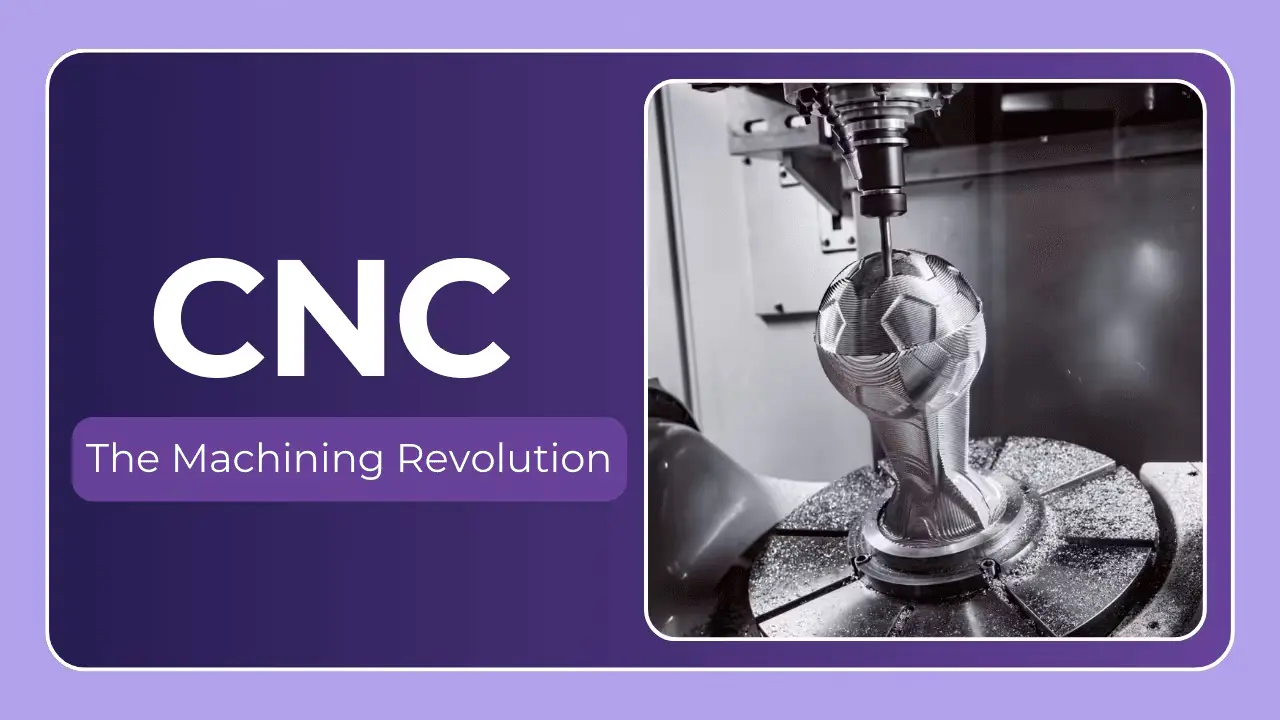
CNC (Computer Numerical Control) machining is a subtractive manufacturing process. This means a piece of material is gradually shaped by removing portions of it using precisely controlled cutting tools. Unlike traditional machining which relies heavily on manual operation, CNC machining uses pre-programmed computer instructions to dictate the movements of the machine.
For prototyping, this offers incredible advantages. It allows for:
- High Accuracy & Precision: CNC machines can consistently achieve tolerances of +/- 0.001 inches (or even tighter), crucial for functional prototypes.
- Complex Geometries: Intricate designs, internal features, and undercuts are readily achievable.
- Wide Material Compatibility: From plastics and aluminum to stainless steel and titanium, a vast range of materials can be machined.
- Fast Turnaround: Compared to other prototyping methods like injection molding (for initial prototypes), CNC machining can deliver parts quickly.
- Cost-Effectiveness for Low Volumes: Ideal for creating a small number of prototypes without the high upfront costs of tooling.
The CNC Machining Process: A Step-by-Step Breakdown
- Design & CAD Modeling: It all starts with a 3D model created using Computer-Aided Design (CAD) software. Popular choices include SolidWorks, Fusion 360, AutoCAD, and CATIA. The design needs to be complete and accurate, defining all dimensions, features, and tolerances.
- CAM Programming: The CAD model is then imported into Computer-Aided Manufacturing (CAM) software. The CAM software translates the 3D design into machine-readable code (G-code) that instructs the CNC machine on how to cut the part. This involves defining toolpaths, cutting speeds, feed rates, and other machining parameters.
- Material Selection: Choosing the right material is critical. (More on this below).
- Setup & Fixturing: The raw material is securely clamped or fixtured onto the CNC machine’s worktable. Proper fixturing is essential for maintaining accuracy and preventing vibration during machining.
- Machining: The CNC machine executes the G-code, moving the cutting tool along the programmed toolpaths to remove material and create the desired shape. Multiple tools may be used for different operations (roughing, finishing, drilling, tapping, etc.).
- Deburring & Finishing: Once machining is complete, the part may require deburring to remove sharp edges and burrs. Additional finishing processes like polishing, anodizing, painting, or plating can be applied to achieve the desired surface finish and aesthetic.
- Quality Control & Inspection: The finished part is inspected to ensure it meets the specified dimensions and tolerances. This often involves using precision measuring instruments like calipers, micrometers, and coordinate measuring machines (CMMs).
Material Choices for CNC Prototype Machining
The best material for your prototype depends on its intended function, operating environment, and desired properties. Here’s a breakdown of common choices:
| Material Category | Common Materials | Typical Applications | Pros | Cons |
|---|---|---|---|---|
| Plastics | ABS, Polycarbonate, Delrin (Acetal), Nylon, PEEK | Housings, Enclosures, Functional Parts, Cosmetic Prototypes | Lightweight, Cost-effective, Easy to machine, Wide range of properties | Lower strength & temperature resistance compared to metals |
| Aluminum | 6061-T6, 7075-T6 | Structural Components, Heat Sinks, Fixtures, Jigs | High strength-to-weight ratio, Good machinability, Corrosion resistance | Lower strength than steel |
| Stainless Steel | 304, 316 | Functional Parts, Medical Devices, Food Processing Equipment | Excellent corrosion resistance, High strength, Durable | More difficult to machine than aluminum, More expensive |
| Steel | 1018, 4140 | High-Strength Components, Gears, Shafts | Very high strength & hardness, Wear resistance | Difficult to machine, Prone to corrosion |
| Titanium | Grade 5 (Ti-6Al-4V) | Aerospace Components, Medical Implants, High-Performance Parts | Exceptional strength-to-weight ratio, Corrosion resistance, Biocompatible | Very expensive, Difficult to machine |
Understanding CNC Machining Techniques: 3-Axis vs. 5-Axis
- 3-Axis Machining: The most common type. The cutting tool can move along three linear axes (X, Y, and Z). Suitable for parts with relatively simple geometries.
- 5-Axis Machining: Adds two rotational axes, allowing the cutting tool to approach the workpiece from multiple angles. This enables the machining of complex geometries, undercuts, and intricate features in a single setup, reducing the need for repositioning and improving accuracy. CNC MACHINING PTE. LTD specializes in 5-axis machining, offering superior capabilities for challenging prototypes.
Design Considerations for CNC Machinability (DFM – Design for Manufacturing)
Designing with manufacturability in mind can significantly reduce costs and lead times. Here are some key considerations:
- Minimize Sharp Internal Corners: Sharp corners create stress concentrations and are difficult to machine. Use fillets or radii instead.
- Avoid Deep, Narrow Pockets: These can be difficult for the cutting tool to access and clear chips from.
- Consider Tool Access: Ensure the cutting tool can reach all features of the part.
- Specify Tolerances Realistically: Tighter tolerances increase machining time and cost. Only specify tolerances as tight as necessary.
- Wall Thickness: Maintain consistent wall thickness to avoid warping or uneven cooling during machining.
- Draft Angles: For features like holes and slots, consider adding draft angles to facilitate machining and prevent tool binding.
Choosing the Right CNC Machining Partner
Selecting a reliable and capable CNC machining partner is crucial for a successful prototype. Consider these factors:
- Capabilities: Do they offer the necessary machining techniques (3-axis, 5-axis)? What materials can they work with?
- Experience: How long have they been in business? Do they have experience with similar projects?
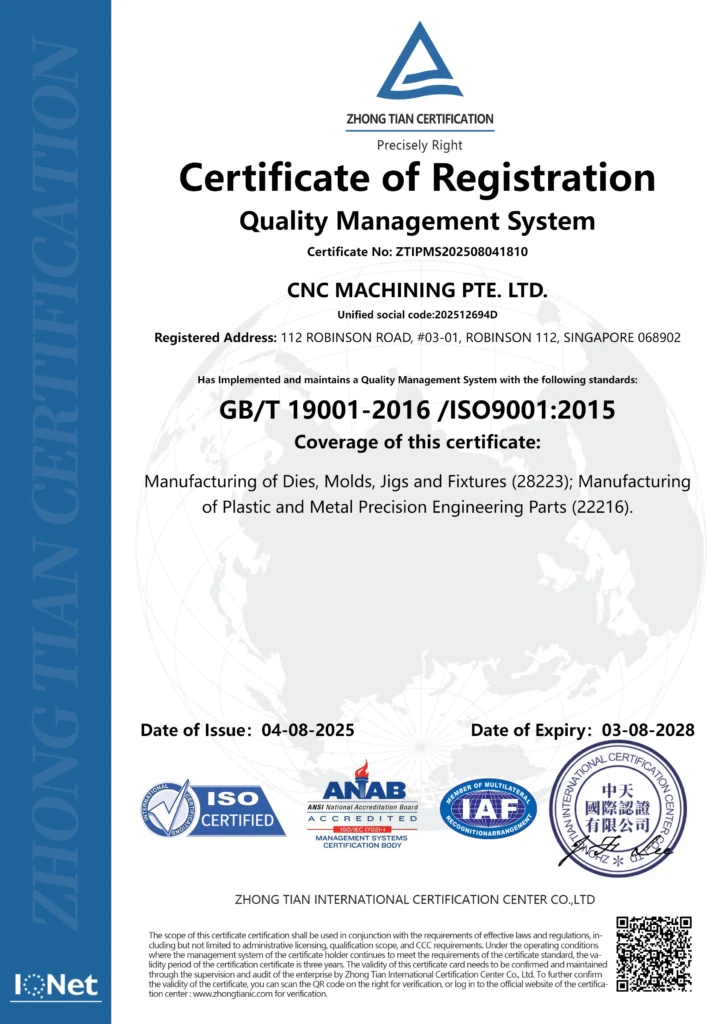
- Quality Control: What quality control procedures do they have in place?
- Turnaround Time: Can they meet your project deadlines?
- Cost: Obtain quotes from multiple vendors and compare pricing.
- Communication: Is the vendor responsive and easy to communicate with?
- Post-Processing Services: Do they offer finishing services like anodizing, painting, or plating? CNC MACHINING PTE. LTD provides comprehensive one-stop post-processing and finishing services.
Conclusion: From Idea to Iteration with CNC Prototype Machining
CNC prototype machining is a powerful tool for bringing your ideas to life. It offers a unique blend of precision, flexibility, and speed, making it ideal for validating designs, testing functionality, and refining products before committing to mass production. By understanding the process, carefully selecting materials, and partnering with a reputable CNC machining service like CNC MACHINING PTE. LTD in Singapore, you can accelerate your product development cycle and achieve optimal results. Don’t hesitate to leverage the power of precision machining – customize your precision parts today at the best price and turn your vision into a tangible reality.