
Diving into the World of CNC Metal Machining: A Comprehensive Guide
In today’s manufacturing landscape, precision and efficiency are paramount. Computer Numerical Control (CNC) machining has revolutionized the metalworking industry, offering unparalleled accuracy, repeatability, and speed. But what is CNC machining, and how does it work? This article will break down the basics of CNC metal machining, from the fundamental principles to the various processes and materials involved. We’ll also explore the advantages and considerations when choosing a CNC machining provider – like CNC MACHINING PTE. LTD in Singapore – for your project.
What is CNC Machining?
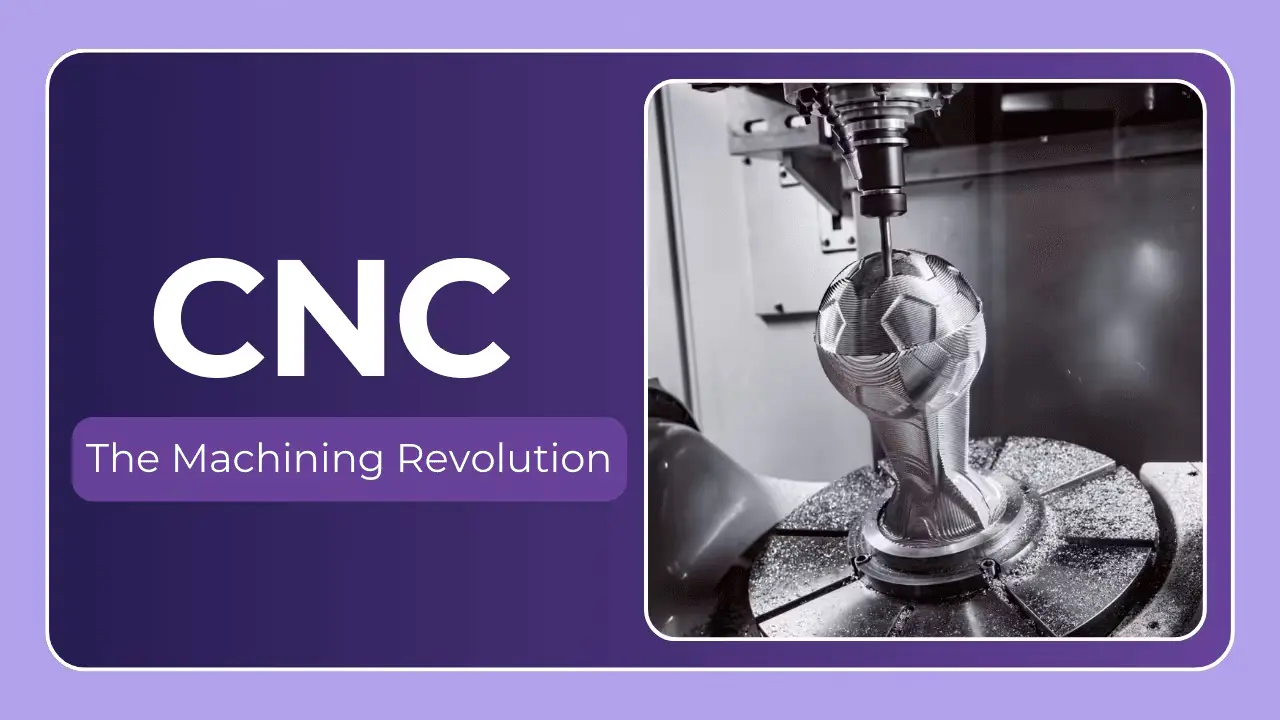
At its core, CNC machining is a subtractive manufacturing process. Think of it like sculpting, but instead of using hand tools, it uses precisely controlled cutting tools to remove material from a workpiece until the desired shape is achieved. However, unlike traditional machining which relies on manual operation, CNC machining is automated. The “CNC” part means the machine is controlled by a computer program written in a specific machine language (G-code).
This G-code dictates exactly how the cutting tool moves, determining parameters like speed, feed rate, and the path it follows. Operators create these programs using CAD (Computer-Aided Design) and CAM (Computer-Aided Manufacturing) software. CAD software creates the 3D model of the part, and CAM software translates that model into the G-code instructions the CNC machine understands.
The Basic Components of a CNC Machine
Understanding the components of a CNC machine helps appreciate the process’s intricacies. Here are the key elements:
- Machine Structure: Typically a sturdy frame, providing stability and rigidity during operation.
- Spindle: Houses the cutting tool and rotates at high speeds. Spindle power and speed capabilities vary significantly based on the machine’s intended application.
- Cutting Tool: A wide variety of tools are available, designed for different materials and machining operations (more on that below).
- Control System: The “brain” of the operation, interpreting the G-code and controlling the machine’s movements. Modern control systems often feature intuitive interfaces and advanced feedback mechanisms.
- Workholding: Systems that securely hold the workpiece in place, ensuring precision during machining. Options include vises, chucks, fixtures, and vacuum tables.
- Coolant System: Essential for dissipating heat generated during cutting, lubricating the tool and workpiece, and flushing away chips.
Common CNC Machining Processes
Several distinct CNC machining processes cater to specific needs and geometries. Here’s a breakdown of some of the most prevalent:
- CNC Milling: Uses rotating multi-point cutting tools to remove material from a workpiece. Milling machines are incredibly versatile and can create a wide range of shapes, including slots, pockets, and complex contours. They operate across multiple axes (typically 3-axis, but can extend to 5-axis or more) allowing for intricate designs.
- CNC Turning: The workpiece rotates while a single-point cutting tool removes material. Ideally suited for producing cylindrical or conical shapes. Like milling, turning can be performed on several axes, including live tooling (where the tooling also rotates) to create more complex geometries.
- CNC Drilling: Utilizes rotating drill bits to create holes in a workpiece. CNC drilling offers high precision and repeatability, essential for applications requiring accurate hole placement.
- CNC Routing: Similar to milling, but often used for softer materials like wood, plastics, and composites. However, advanced CNC routers can also handle certain metals with appropriate tooling.
- CNC Electrical Discharge Machining (EDM): Uses electrical sparks to erode material, ideal for creating complex shapes and internal cavities in hardened materials that are difficult to machine conventionally.
- CNC Grinding: Employs abrasive grinding wheels to achieve extremely smooth finishes and tight tolerances.
Materials Commonly Machined with CNC
CNC machining boasts versatility in the materials it can handle. Here’s a partial list:
| Material | Common Applications | Considerations |
|---|---|---|
| Aluminum | Aerospace, Automotive, Electronics, General Manufacturing | Lightweight, good machinability, relatively low cost |
| Stainless Steel | Medical Devices, Food Processing, Marine Applications | Corrosion resistant, strong, can be more challenging to machine |
| Titanium | Aerospace, Medical Implants, High-Performance Components | Exceptional strength-to-weight ratio, very challenging to machine |
| Brass & Copper | Plumbing, Electrical Components, Decorative Items | Good conductivity, relatively soft, easy to machine |
| Tool Steel | Mold & Die Making, Cutting Tools | High hardness, wear resistance, requires specialized tooling |
| High-Temperature Alloys (Inconel, Hastelloy) | Aerospace, Power Generation, Chemical Processing | Excellent heat and corrosion resistance, extremely challenging to machine |
Advantages of CNC Machining
- High Precision & Accuracy: CNC machines deliver incredibly tight tolerances, crucial for parts requiring precise fits.
- Repeatability: Once programmed, a CNC machine can consistently produce identical parts, minimizing variation and reducing waste.
- Automation & Efficiency: Reduced reliance on manual labor translates to faster production times and lower costs.
- Complex Geometries: Machines with multiple axes (like 5-axis machines offered by CNC MACHINING PTE. LTD) can create complex shapes that would be impossible or extremely difficult to produce with traditional methods.
- Versatility: A single CNC machine can be used to produce a wide range of parts from various materials.
- Reduced Material Waste: Precise material removal minimizes waste compared to other manufacturing processes.
Choosing a CNC Machining Partner: Key Considerations
Selecting the right CNC machining partner is vital for project success. Here’s what to look for:
- Capabilities: Does the provider offer the processes you need (milling, turning, etc.)? What materials can they work with?
- Equipment: What type of CNC machines do they have? (e.g., 3-axis, 5-axis, types of spindles). A supplier with advanced equipment like the 5-axis CNC machining available at CNC MACHINING PTE. LTD can handle complex projects.
- Experience & Expertise: How long have they been in business? What industries do they serve? Do they have experience with similar projects to yours?
- Quality Control: What quality control procedures do they have in place? Do they use inspection equipment like CMMs (Coordinate Measuring Machines)?
- Turnaround Time: How quickly can they deliver your parts?
- Cost: Obtain quotes from multiple providers to compare pricing. However, don’t base your decision solely on price; consider the other factors listed here.
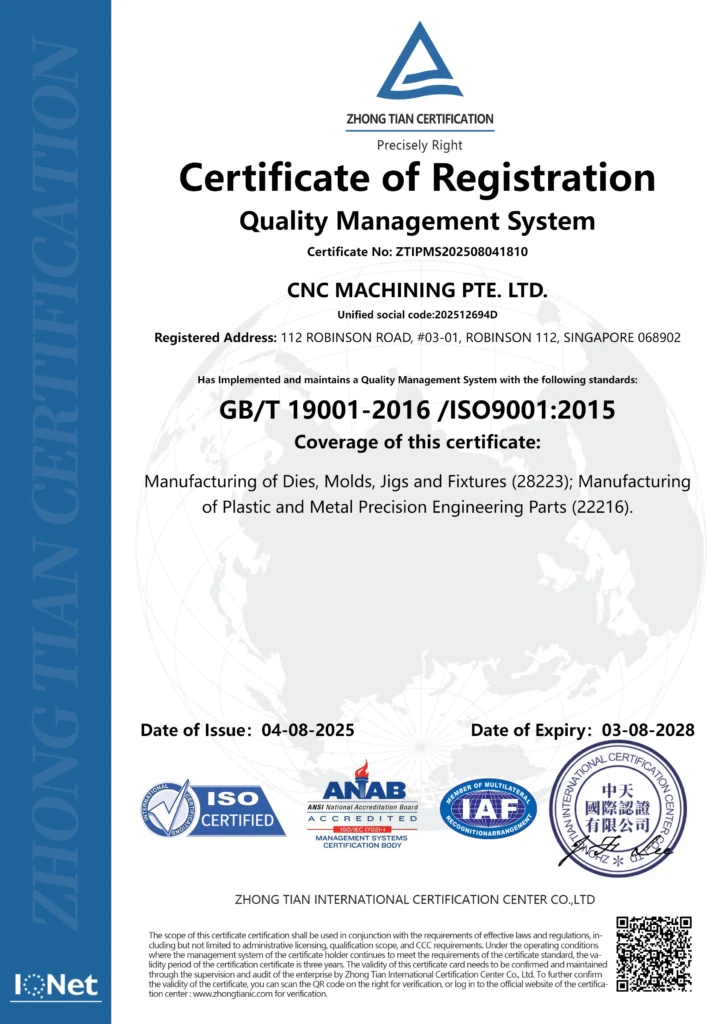
- Post-Processing Services: Do they offer services like anodizing, plating, polishing, or assembly? (CNC MACHINING PTE. LTD provides one-stop post-processing and finishing services).
Conclusion
CNC metal machining is a powerful manufacturing process that delivers precision, efficiency, and versatility. Whether you’re prototyping a new design, producing low-volume custom parts, or scaling up for mass production, understanding the fundamentals of CNC machining is crucial.
When seeking a partner for your project, prioritize experience, capabilities, and a commitment to quality. CNC MACHINING PTE. LTD in Singapore stands out as a professional choice, offering advanced five-axis CNC machining, comprehensive post-processing services, and a dedication to delivering custom precision parts quickly and cost-effectively. Consider them for your next machining project – customize your precision parts today at the best price!
Disclaimer: This blog post provides general information about CNC machining and is not intended to be a comprehensive technical manual. Specific machining parameters and best practices will vary depending on the material, geometry, and desired tolerances of the part.