
Diving into the World of CNC Machining Centers: A Comprehensive Guide
In today’s manufacturing landscape, precision, speed, and repeatability are paramount. This is where Computer Numerical Control (CNC) machining centers come into play. They’ve revolutionized how parts are made, moving beyond the limitations of traditional machining. But what is a CNC machining center, and what makes it so powerful? This article will break down the basics, covering everything from core components to different types and even a glimpse into advanced capabilities. We’ll also touch upon how choosing the right partner, like CNC MACHINING PTE. LTD in Singapore, can streamline your manufacturing process.
What is a CNC Machining Center?
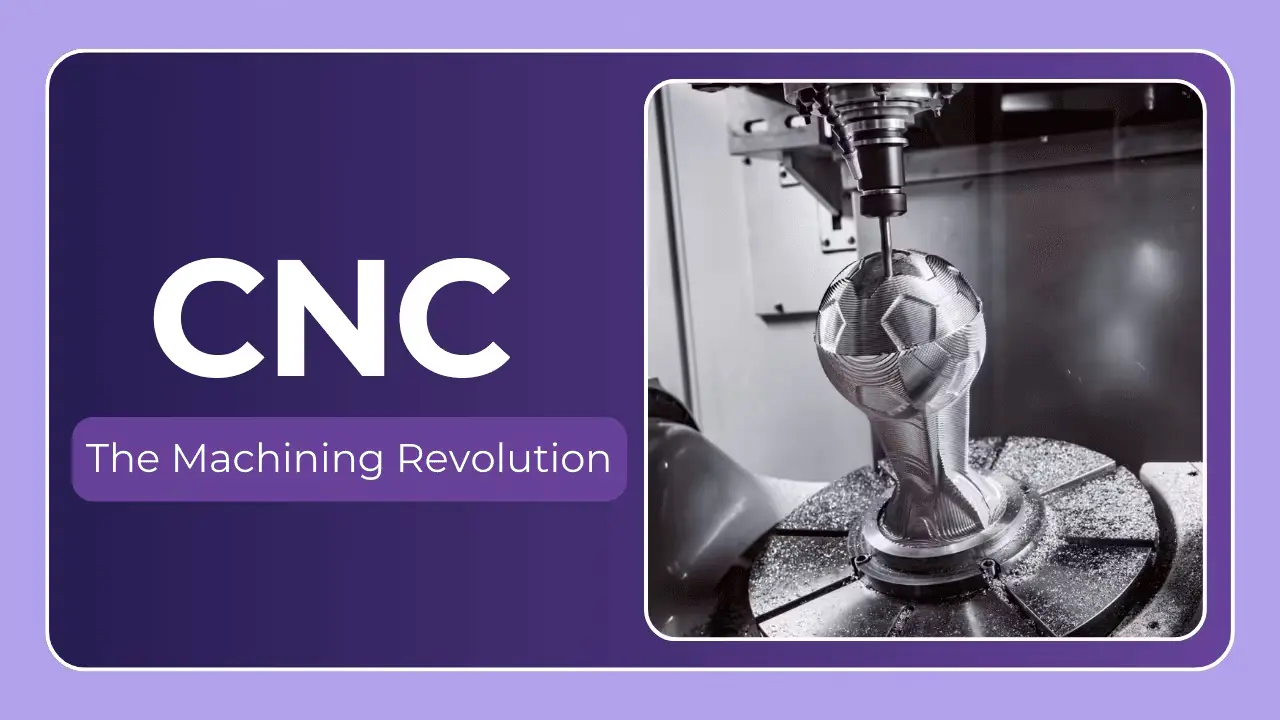
At its heart, a CNC machining center is an automated machine tool controlled by a computer. Unlike manual machines where a skilled operator directly controls the cutting tools, a CNC machine executes pre-programmed instructions (the G-code) to precisely remove material from a workpiece, creating the desired shape. Think of it as a robotic craftsman, capable of consistently producing complex parts with incredible accuracy.
The “center” part of the name refers to the machine’s ability to perform multiple machining operations – milling, drilling, tapping, boring, and more – all in a single setup. This significantly reduces handling time, improves accuracy, and boosts overall efficiency.
Key Components of a CNC Machining Center
Understanding the core components is crucial to grasping how these machines function:
- Machine Bed & Frame: The foundation of the machine, providing rigidity and stability. Typically made of cast iron or steel to dampen vibrations.
- Spindle: The rotating component that holds the cutting tool. Spindle speed (measured in RPM – Revolutions Per Minute) is a critical parameter influencing surface finish and machining time. Higher RPMs are generally used for softer materials and finishing operations.
- Axis Systems (X, Y, Z, and beyond): These define the directions of movement.
- X-axis: Horizontal movement.
- Y-axis: Vertical movement.
- Z-axis: Depth movement.
- Rotary Axes (A, B, C): Allow for rotational movement around these axes, enabling complex 3D machining. Machines with A, B, and C axes are often referred to as multi-axis machines.
- Tool Changer: Automates the process of swapping cutting tools, minimizing downtime. Types include carousel, chain, and disc tool changers.
- Control System: The “brain” of the machine. It interprets the G-code program and controls the movement of the axes, spindle, and tool changer. Popular control systems include Fanuc, Siemens, and Heidenhain.
- Coolant System: Circulates coolant to lubricate the cutting tool, remove heat, and flush away chips. This extends tool life and improves surface finish.
- Workholding Devices: Securely hold the workpiece in place during machining. Options include vises, chucks, fixtures, and vacuum tables.
Types of CNC Machining Centers
CNC machining centers aren’t one-size-fits-all. They come in various configurations tailored to specific applications:
| Type | Description | Typical Applications | Advantages | Disadvantages |
|---|---|---|---|---|
| 3-Axis Vertical Machining Center (VMC) | The most common type. The spindle moves vertically (Z-axis) while the table moves horizontally (X and Y axes). | Prototyping, general machining, mold making, die sinking. | Versatile, relatively affordable, easy to program. | Limited to 2.5D and simple 3D geometries. |
| 3-Axis Horizontal Machining Center (HMC) | Similar to VMC, but the spindle is horizontal. Often features a pallet changer for automated loading/unloading. | High-volume production, machining of complex parts with multiple sides. | Increased productivity, better chip evacuation, reduced operator intervention. | More expensive than VMCs, requires more floor space. |
| 4-Axis Machining Center | Adds a rotary axis (typically the B-axis) to a 3-axis machine, allowing for machining on four sides without repositioning the workpiece. | Aerospace components, medical implants, complex molds. | Increased complexity, improved accuracy, reduced setup time. | More complex programming, higher cost. |
| 5-Axis Machining Center | Features two rotary axes (A and B, or A and C) providing full 3D contouring capability. | Aerospace, medical, automotive, complex molds and dies. | Highest level of complexity, allows for machining of intricate geometries, improved surface finish. | Most expensive, requires highly skilled programmers and operators. |
| Mill-Turn Center | Combines milling and turning capabilities in a single machine. | Production of complex rotational parts. | High efficiency, reduced handling, improved accuracy. | Complex programming, specialized expertise required. |
The CNC Machining Process: From CAD to Finished Part
- CAD (Computer-Aided Design): The part is designed using CAD software.
- CAM (Computer-Aided Manufacturing): The CAD model is imported into CAM software, where toolpaths are generated. This involves selecting cutting tools, defining cutting parameters (speed, feed rate, depth of cut), and simulating the machining process.
- G-Code Generation: The CAM software translates the toolpaths into G-code, a programming language understood by the CNC machine.
- Machine Setup: The workpiece is securely clamped onto the machine table, and the appropriate cutting tool is loaded into the spindle.
- Machining: The CNC machine executes the G-code program, removing material from the workpiece according to the defined toolpaths.
- Post-Processing: The finished part may undergo additional processes such as deburring, polishing, surface finishing, or heat treatment.
Materials Commonly Machined
CNC machining centers are incredibly versatile and can work with a wide range of materials:
- Metals: Aluminum, steel (stainless, carbon, alloy), titanium, brass, copper, magnesium.
- Plastics: ABS, polycarbonate, acrylic, nylon, Delrin.
- Composites: Carbon fiber, fiberglass.
- Wood: For specialized applications.
Why Choose a Professional CNC Machining Service? (Like CNC MACHINING PTE. LTD)
While owning a CNC machine might seem appealing, outsourcing to a professional service like CNC MACHINING PTE. LTD offers significant advantages:
- Cost Savings: Avoid the substantial investment in equipment, maintenance, and skilled personnel.
- Expertise & Experience: Benefit from the knowledge and experience of seasoned machinists and programmers.
- Advanced Capabilities: Access to a wider range of machines and technologies, including 5-axis machining and specialized post-processing services.
- Scalability: Easily scale production up or down as needed.
- Faster Turnaround Times: Professional services are optimized for efficiency and can deliver parts quickly.
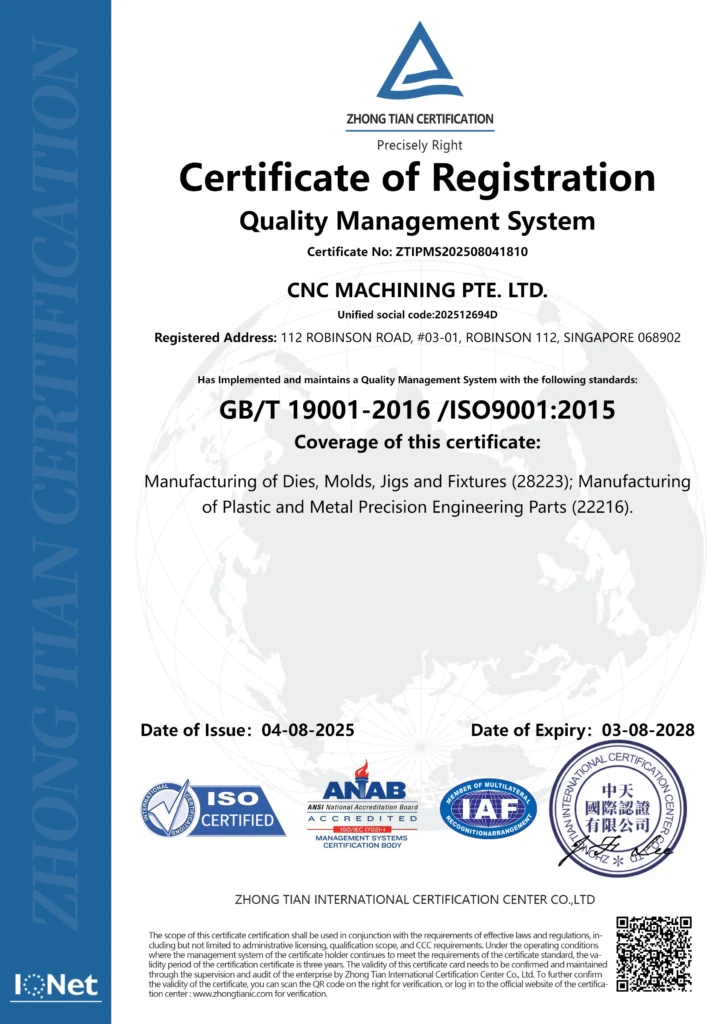
- Quality Assurance: Rigorous quality control processes ensure parts meet your exact specifications. CNC MACHINING PTE. LTD specifically excels in providing one-stop post-processing and finishing services, ensuring a high-quality final product.
Conclusion
CNC machining centers are the backbone of modern manufacturing, enabling the creation of complex, precise parts with unparalleled efficiency. Understanding the basics – the components, types, and process – is essential for anyone involved in product development or manufacturing. Whether you’re prototyping a new design or scaling up production, partnering with a reputable CNC machining service like CNC MACHINING PTE. LTD in Singapore can provide the expertise, technology, and scalability you need to succeed. Don’t hesitate to explore the possibilities and customize your precision parts today – the best price and quality are within reach!