
Precision Engineering Delivered: A Deep Dive into CNC Machining in Birmingham
Birmingham, historically the heart of British industry, continues to be a powerhouse of manufacturing, and at the forefront of that resurgence is CNC (Computer Numerical Control) machining. This isn’t simply about replicating old techniques with computers; it’s a revolution in precision, speed, and design freedom. This article will explore the world of CNC machining in Birmingham, covering the processes, benefits, materials, applications, and why choosing the right partner is crucial. We’ll also touch upon how firms like CNC MACHINING PTE. LTD (based in Singapore, but relevant for global sourcing considerations) are impacting the precision engineering landscape.
What is CNC Machining and Why Birmingham?
Traditional machining relies on manual operation, skilled but potentially inconsistent. CNC machining, on the other hand, uses pre-programmed computer software to dictate the movement of tools and machinery. This allows for repeatable accuracy, complex geometries, and significantly reduced production times.
Birmingham’s strength lies in its established ecosystem. Decades of metalworking heritage have created a skilled workforce, a robust supplier network, and a collaborative environment. This concentration of expertise makes Birmingham a logical choice for companies seeking high-quality, reliable machining services. The city’s central location within the UK also provides excellent logistical advantages.
The CNC Processes: Beyond Milling and Turning
While often simplified to just milling and turning, CNC machining encompasses a range of processes:
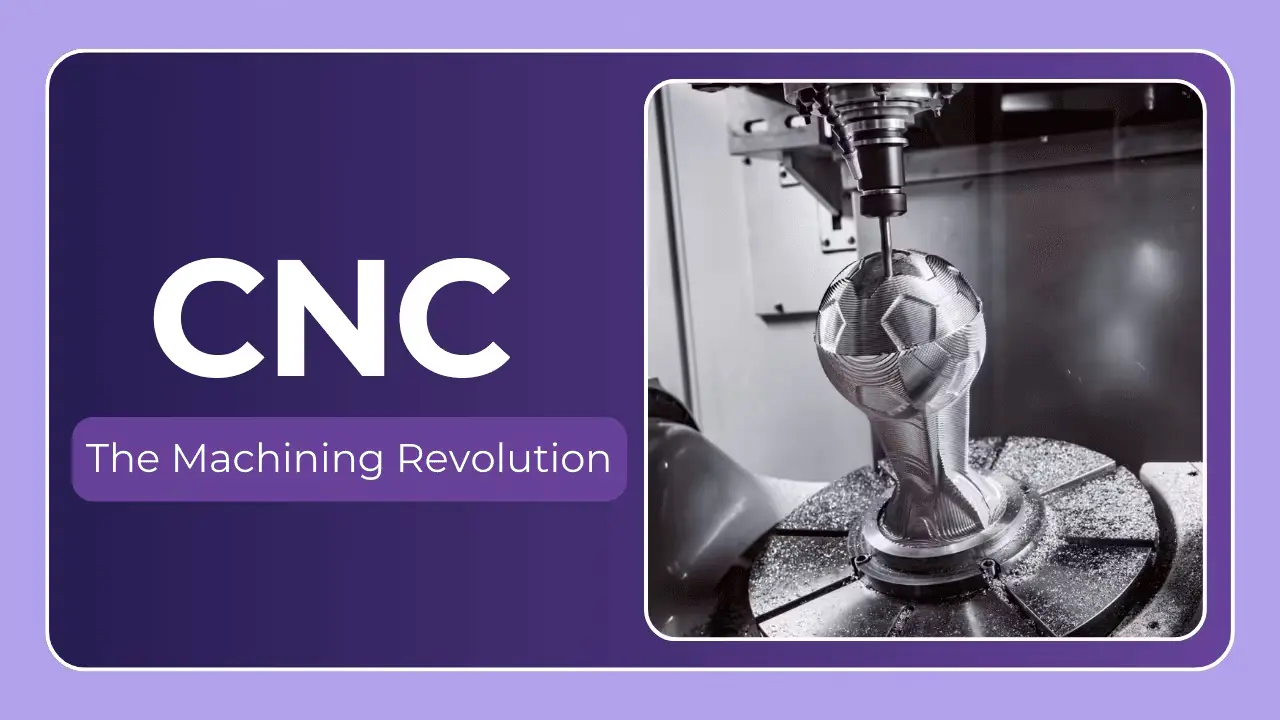
- CNC Milling: Uses rotating cutting tools to remove material from a workpiece. It’s ideal for creating complex shapes, slots, pockets, and contours. Birmingham is particularly strong in 5-axis milling, allowing for machining of incredibly intricate designs from multiple angles in a single setup.
- CNC Turning: Uses a rotating workpiece against a stationary cutting tool. Ideal for cylindrical shapes, threads, and precise diameters.
- CNC Drilling: Creating precise holes with controlled depth and diameter.
- CNC Routing: Similar to milling but typically used on softer materials like wood, plastics, and composites.
- CNC Electrical Discharge Machining (EDM): Uses electrical sparks to erode material, perfect for hard metals and intricate internal shapes.
- CNC Grinding: Achieving exceptionally tight tolerances and surface finishes through abrasive removal.
Material Versatility: From Aerospace Alloys to Plastics
CNC machining isn’t limited to specific materials. A wide range of substances can be precisely machined in Birmingham, including:
| Material | Typical Applications | Common Industries | CNC Considerations |
|---|---|---|---|
| Aluminum Alloys (6061, 7075) | Aerospace components, automotive parts, housings | Aerospace, Automotive, General Engineering | High cutting speeds, excellent machinability |
| Stainless Steel (304, 316) | Medical implants, food processing equipment, marine components | Medical, Food & Beverage, Marine | Requires strong tooling, slower cutting speeds |
| Titanium Alloys (Ti-6Al-4V) | Aerospace, medical implants, high-performance components | Aerospace, Medical, Motorsport | Difficult to machine, requires specialized tooling & cooling |
| Engineering Plastics (ABS, Delrin, Nylon) | Prototypes, jigs & fixtures, consumer products | Automotive, Consumer Goods, Medical | Precise tool geometry, careful chip evacuation |
| Brass & Copper | Electrical connectors, plumbing fittings | Electrical, Plumbing, Jewelry | Good machinability, excellent electrical conductivity |
| Tool Steels (HSS, Carbide) | Cutting tools, molds, dies | Toolmaking, Manufacturing | High hardness, requires specialized tooling |
Applications Across Industries: Birmingham’s CNC Footprint
The demand for precision machining drives application across diverse sectors:
- Aerospace: Critical components like turbine blades, structural parts, and engine housings demand extremely precise machining, making Birmingham a key supplier to this industry.
- Automotive: From engine parts to chassis components and tooling, CNC machining plays a vital role in automotive manufacturing. Birmingham’s history in the automotive sector provides a substantial advantage.
- Medical: Medical implants, surgical instruments, and diagnostic equipment require the highest levels of accuracy and material purity, facilitated by advanced CNC technology.
- Oil & Gas: High-strength components for downhole tools and safety-critical systems benefit from CNC machining’s precision and reliability.
- Defence: Precision-engineered parts for weapon systems, communication equipment, and protective gear require strict adherence to specifications – a niche where Birmingham excels.
- Tooling & Moulding: The creation of jigs, fixtures, and moulds for various manufacturing processes relies heavily on accurate CNC machining.
The Rise of 5-Axis Machining: Unlocking Complexity
Traditional 3-axis CNC machines move along X, Y, and Z axes. 5-axis machining adds two rotational axes, allowing the cutting tool to approach the workpiece from multiple angles simultaneously. This unlocks significant advantages:
- Complex Geometries: Machining intricate shapes and undercuts that are impossible with 3-axis machines.
- Reduced Setup Time: Less repositioning of the workpiece is needed, saving time and improving accuracy.
- Improved Surface Finish: Optimal tool positioning results in smoother surface finishes and reduced tool wear.
- Higher Efficiency: Faster machining cycles and reduced cycle times lead to increased productivity.
Companies like CNC MACHINING PTE. LTD specialize in 5-axis machining, offering clients the ability to realize highly complex designs. While based in Singapore, they provide a global service and often represent a viable option for companies needing advanced machining capabilities – particularly where UK capacity is constrained. Their commitment to quick turnaround and customization is a key differentiator.
Beyond Machining: Value-Added Services
Many CNC machining companies in Birmingham offer expanded services:
- Design for Manufacturability (DFM): Collaborating with clients during the design phase to optimize parts for efficient machining.
- Prototyping: Creating functional prototypes to validate designs before mass production.
- Surface Finishing: Processes like anodizing, plating, powder coating, and polishing to enhance appearance and performance.
- Heat Treatment: Strengthening and hardening materials to meet specific application requirements.
- Assembly: Integrating machined components into larger assemblies.
- Quality Control: Rigorous inspection and testing to ensure parts meet strict tolerances and specifications using CMM (Coordinate Measuring Machines) and other advanced techniques.
Choosing the Right CNC Machining Partner
Selecting the right partner is paramount. Consider the following:
- Capabilities: Does the company have the right equipment and expertise for your specific project? (3-axis, 5-axis, material specialization).
- Capacity: Can they handle your volume requirements?
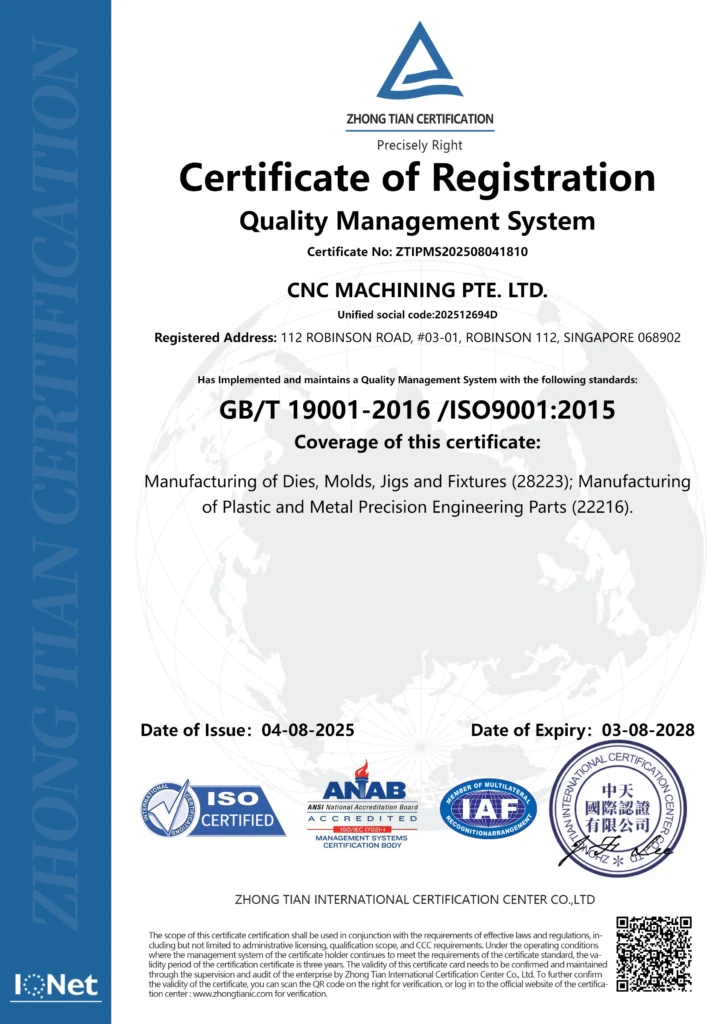
- Quality Control: What quality assurance processes are in place? (ISO certifications are a good indicator)
- Turnaround Time: How quickly can they deliver your parts?
- Cost: Obtain competitive quotes, but don’t solely focus on price; consider value and reliability.
- Communication: Ensure clear and responsive communication throughout the project lifecycle.
- Geographical Location & Logistics: For UK-based projects, a local supplier like those in Birmingham often makes logistical sense. However, for specialized capabilities or competitive pricing, exploring options like CNC MACHINING PTE. LTD., even with associated shipping costs, might be worthwhile.
Conclusion: The Future of Precision in Birmingham
CNC machining in Birmingham isn’t just surviving; it’s thriving. The city’s blend of historical expertise, modern technology, and a commitment to quality positions it as a vital hub for precision engineering. The increasing demand for complex, high-tolerance parts continues to drive innovation and investment in the sector.
While local expertise is readily available, the global nature of manufacturing means considering all options. Companies like CNC MACHINING PTE. LTD. demonstrate that expertise can be accessed internationally, potentially unlocking new capabilities, competitive pricing, and faster turnaround times – even with the logistical considerations of international sourcing. Ultimately, the future of CNC machining in Birmingham, and globally, lies in continuous technological advancements, skilled workforce development, and a collaborative approach to problem-solving. Choosing a partner who embodies these principles is the key to success in a rapidly evolving landscape.