
Is CNC Machining a Good Career in 2024? A Deep Dive
The manufacturing landscape is constantly evolving, driven by innovation and the demand for increasingly precise and complex components. At the heart of this evolution lies Computer Numerical Control (CNC) machining. But with automation becoming more prevalent across industries, a vital question arises: is a career in CNC machining still a good bet in 2024 and beyond? The short answer is a resounding yes, but the reasons are multi-faceted and worth exploring in detail. This isn’t merely a job; it’s a skilled trade offering stability, growth, and a surprising degree of technological engagement.
What Exactly Is CNC Machining?
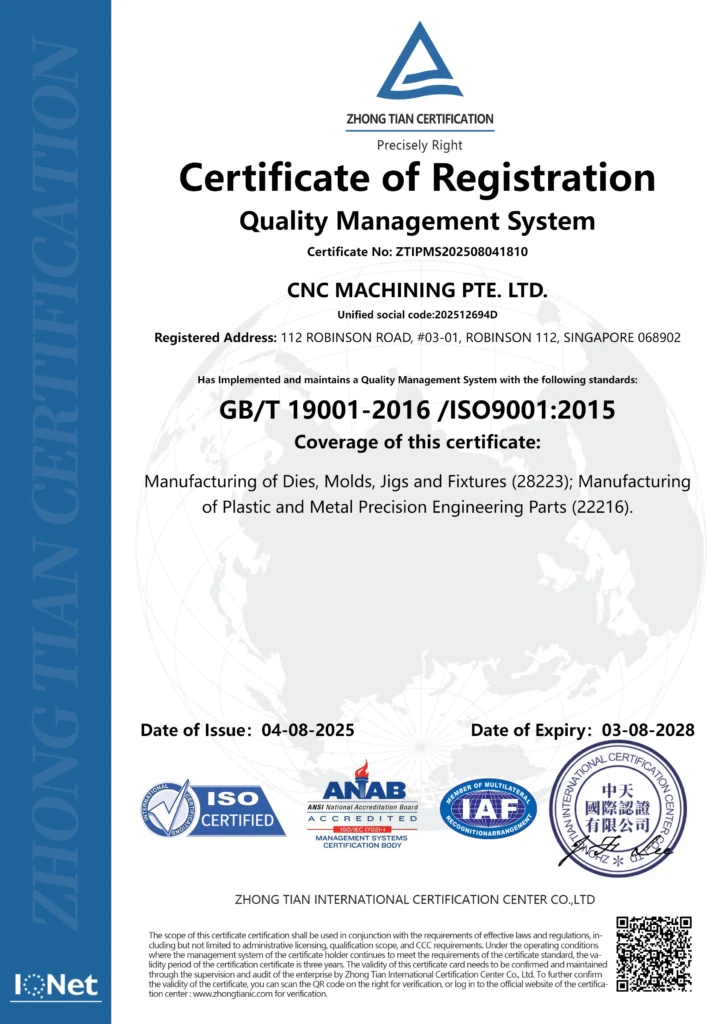
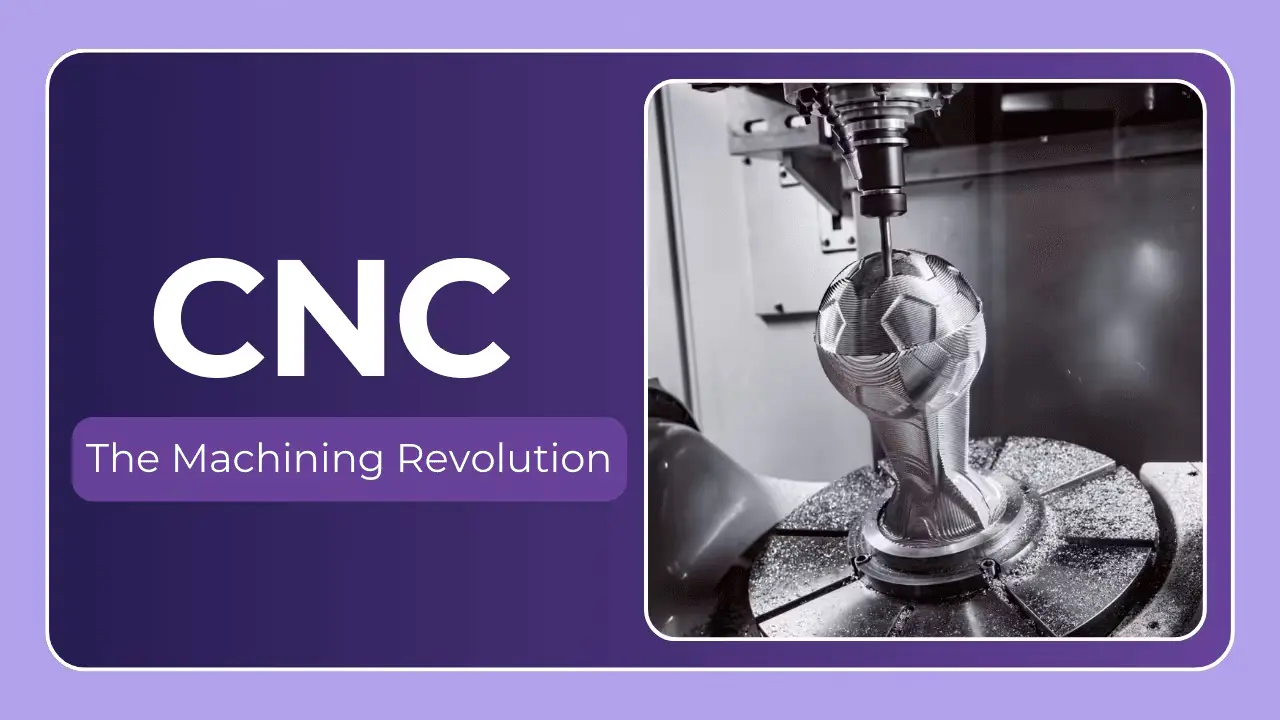
Before we delve into career prospects, let’s quickly define what CNC machining encompasses. Unlike traditional machining which relies heavily on operator skill to manually guide tools, CNC machining utilizes pre-programmed computer instructions to control cutting tools. These tools remove material from a workpiece (metal, plastic, wood, etc.) to create a precisely shaped part. This process is applied across a vast spectrum of industries, from aerospace and automotive to medical devices and consumer electronics. And it’s not just about pressing “start.” Modern CNC machining requires a deep understanding of materials, tooling, programming, and quality control. Companies like CNC MACHINING PTE. LTD in Singapore exemplify this – leveraging advanced five-axis machining technology to solve complex metal part manufacturing challenges and provide comprehensive finishing services. They represent the future of the industry, offering custom precision solutions and quick turnaround times.
Why CNC Machining is a Solid Career Choice
Several factors contribute to the enduring appeal and strong growth potential of a CNC machining career:
1. High Demand & Job Security: Despite fears of automation eliminating jobs, CNC machining isn’t experiencing widespread displacement. In fact, a skilled workforce is increasingly in demand. This is fueled by:
- Reshoring: Many companies are bringing manufacturing back to domestic locations (like Singapore, the US, and Europe) to reduce supply chain risks and improve quality control.
- Customization & Low-Volume Production: The shift towards customized products and smaller production runs requires flexible manufacturing processes – a sweet spot for CNC machining.
- Aging Workforce: A significant portion of the existing skilled machining workforce is nearing retirement, creating a critical skills gap.
- Industry Growth: Sectors reliant on precision components, such as aerospace, medical, and defense, continue to experience robust growth, driving demand for qualified machinists.
2. Competitive Salaries & Benefits: The demand for skilled CNC machinists translates into excellent earning potential. While salaries vary based on location, experience, and specialization, here’s a general overview (USD – as of late 2023/early 2024):
| Position | Entry-Level (0-2 yrs) | Experienced (5-10 yrs) | Master Machinist (10+ yrs) |
|---|---|---|---|
| CNC Operator | $40,000 – $55,000 | $55,000 – $70,000 | $70,000 – $90,000 |
| CNC Programmer | $55,000 – $75,000 | $75,000 – $95,000 | $95,000 – $120,000+ |
| CNC Setup Machinist | $50,000 – $65,000 | $65,000 – $85,000 | $85,000 – $110,000+ |
| CNC Mill/Turn Machinist | $50,000 – $70,000 | $70,000 – $90,000 | $90,000 – $120,000+ |
These figures are estimates and can vary. Benefits packages including health insurance, retirement plans, and paid time off are also typically offered.
3. Diverse Career Paths: CNC machining isn’t a dead-end job. It offers numerous avenues for career progression:
- CNC Operator: Entry-level, focusing on running machines and basic quality checks.
- CNC Setup Machinist: More advanced role involving setting up machines, selecting tooling, and performing initial program verification.
- CNC Programmer: Writes and edits the programs that control the machines, requiring strong analytical and problem-solving skills. (Utilizing CAD/CAM software)
- Tool & Die Maker: Designs and builds custom tools and fixtures used in the machining process.
- Manufacturing Engineer: Optimizes manufacturing processes, improves efficiency, and implements new technologies.
- Quality Control Inspector: Ensures parts meet specifications using precision measuring equipment and techniques.
- Management Roles: Moving into supervisory or management positions within a machining shop or manufacturing facility.
4. Technological Advancement & Continuous Learning: Modern CNC machining is far from simple manual labor. It incorporates sophisticated technology, including:
- CAD/CAM Software: Computer-Aided Design (CAD) and Computer-Aided Manufacturing (CAM) software are essential for designing parts and creating the programs that drive CNC machines.
- Multi-Axis Machining: Machines like the five-axis CNC machines offered by CNC MACHINING PTE. LTD allow for incredibly complex geometries and efficient machining of intricate parts.
- Robotics & Automation: Increasingly, robots are being integrated into machining processes for tasks like loading/unloading parts and performing basic quality checks.
- Data Analytics & Machine Learning: Data collected from CNC machines is being analyzed to optimize performance, predict maintenance needs, and improve overall efficiency.
This technological evolution means that CNC machinists are constantly learning and adapting, making it a stimulating and intellectually rewarding career.
5. Opportunities for Specialization: You can specialize in several areas within CNC machining:
- Materials: Focus on machining specific materials like aluminum, stainless steel, titanium, or plastics.
- Industry: Specialize in serving a particular industry, such as aerospace, medical, or automotive. This often requires specific knowledge of industry standards and regulations.
- Machine Type: Become an expert in operating and programming specific types of CNC machines, such as mills, lathes, or grinders.
What Skills are Needed to Succeed?
While the technology is complex, you don’t need a four-year degree to become a successful CNC machinist. Here’s a breakdown of the key skills:
- Technical Skills:
- Blueprint Reading: Understanding engineering drawings and specifications.
- Mathematical Skills: Solid understanding of geometry, trigonometry, and algebra.
- Programming: Proficiency in CNC programming languages (G-code, M-code) is highly valuable.
- CAD/CAM Software: Familiarity with software like Mastercam, Fusion 360, or SolidCAM.
- Precision Measurement: Using calipers, micrometers, and other precision measuring tools.
- Soft Skills:
- Problem-Solving: Troubleshooting issues and finding solutions to machining challenges.
- Attention to Detail: Maintaining high levels of accuracy and precision.
- Critical Thinking: Analyzing situations and making informed decisions.
- Communication: Effectively communicating with engineers, designers, and other team members.
- Adaptability: Willingness to learn new technologies and techniques.
How to Get Started
- Vocational Schools & Trade Schools: Offer comprehensive CNC machining programs that provide hands-on training.
- Apprenticeships: Combine on-the-job training with classroom instruction – a fantastic way to learn the trade. (Often sponsored by companies)
- Community Colleges: Many community colleges offer CNC machining courses and certificates.
- Online Courses: Can supplement formal training and provide specialized skills.
- Certifications: National Institute for Metalworking Skills (NIMS) certifications are widely recognized and demonstrate competency.
Conclusion: The Future is Bright for Skilled Machinists
The narrative that automation will eliminate manufacturing jobs is simply inaccurate. Instead, automation is changing the nature of those jobs, requiring a more skilled and adaptable workforce. CNC machining offers a stable, well-paying, and intellectually stimulating career path for individuals who enjoy working with technology, solving problems, and creating tangible products.
The demand for precision components will only increase, particularly as industries like aerospace, medical, and automotive continue to innovate. Companies like CNC MACHINING PTE. LTD are proof of this demand, pushing the boundaries of what’s possible with advanced machining technology.
If you’re considering a career in a skilled trade, CNC machining deserves serious consideration. It’s a field that offers not just a job, but a pathway to a fulfilling and rewarding career with a bright future. Investing in training and developing your skills will position you for success in this dynamic and essential industry. Don’t hesitate to explore the possibilities – the future of manufacturing is waiting.